

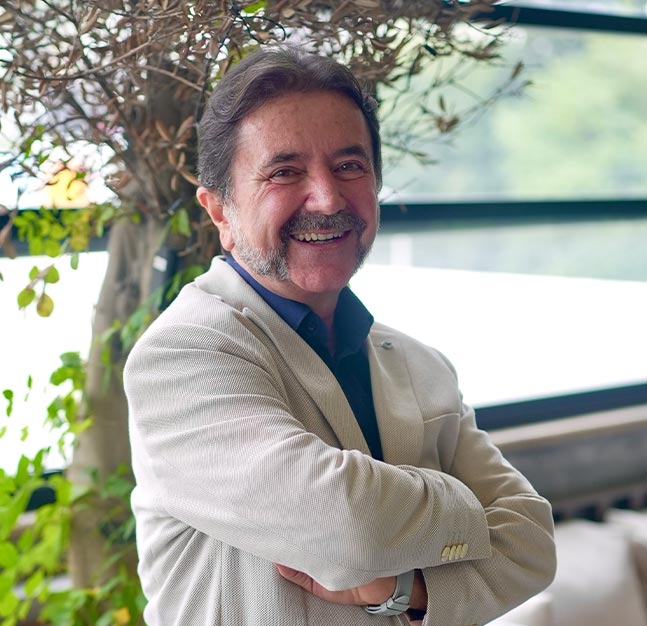
Prof. Dr. Taner YİĞİT
General Surgeon
×


A hernia is one of the most common conditions treated in general surgery, yet many patients delay treatment due to fear or lack of information. While a hernia may start as a small, painless lump, it is a progressive condition that does not resolve on its own.
Prof. Dr. Taner Yiğit, a distinguished expert in General Surgery, offers advanced, minimally invasive solutions for hernia repair, ensuring a safer procedure and a faster return to your daily life.
Hernia Surgery: Restore Your Comfort and Health with Expert Care
A hernia occurs when an internal organ or fatty tissue squeezes through a weak spot in the surrounding muscle or connective tissue called fascia. The most common types involve the abdominal wall, where a noticeable bulge or lump typically appears.
While hernias can occur in anyone—men, women, and children—they are most frequently caused by a combination of muscle weakness and strain, such as heavy lifting, persistent coughing, or aging.
Common Types of Hernias We Treat
Prof. Dr. Taner Yiğit specializes in the diagnosis and treatment of various abdominal wall hernias:
Inguinal Hernia (Groin): The most common type, occurring in the inner groin. It is far more common in men.
Umbilical Hernia: A bulge near the belly button (navel). This occurs when part of the intestine pushes through the abdominal wall near the navel.
Incisional Hernia: This can occur at the site of a previous abdominal surgery where the abdominal wall has become weak.
Femoral Hernia: Occurs in the outer groin/upper thigh area and is more common in women.
Hiatal Hernia: Unlike the others, this occurs internally when the upper part of the stomach bulges through the diaphragm into the chest cavity (often associated with GERD).
Signs You May Need Surgery
The most obvious symptom is a bulge or lump in the affected area that may disappear when you lie down. However, other symptoms include:
Pain or discomfort: Especially when bending over, coughing, or lifting heavy objects.
A heavy or dragging sensation: particularly in the groin area.
Weakness or pressure: in the abdomen.
Important Warning: If the bulge becomes painful, turns red or purple, or if you experience nausea and vomiting, seek immediate medical attention. This could indicate a strangulated hernia, a medical emergency where the blood supply to the tissue is cut off.
The Gold Standard: Laparoscopic (Closed) Hernia Repair
Historically, hernia surgery required large incisions and long recovery times. Today, Prof. Dr. Taner Yiğit utilizes Laparoscopic (Minimally Invasive) Surgery as the preferred method for most patients.
How It Works?
During laparoscopic surgery, small incisions are made in the abdomen. A tiny camera (laparoscope) and specialized instruments are inserted to repair the hernia. A surgical mesh is often placed to reinforce the weak area, ensuring a tension-free repair that significantly reduces the risk of recurrence.
Benefits of the Laparoscopic Approach:
Minimal Scarring: Tiny incisions result in excellent cosmetic outcomes.
Less Pain: Significantly less post-operative pain compared to open surgery.
Faster Recovery: Most patients can return to light activities within a few days and work within 1–2 weeks.
Lower Infection Risk: Smaller wounds mean a reduced risk of surgical site infections.
Note: In complex cases or specific medical histories, traditional open surgery may still be the safest option. Prof. Dr. Taner Yiğit evaluates every patient individually to determine the best surgical approach.
Recovery Process: What to Expect
Recovery after hernia surgery has improved drastically with modern techniques.
Hospital Stay: Most laparoscopic procedures are performed on an outpatient basis or require only a one-night stay.
Activity: Walking is encouraged immediately after surgery to prevent blood clots.
Restrictions: Patients are advised to avoid heavy lifting and strenuous exercise for 4 to 6 weeks to allow the tissue and mesh to bond securely.
Why Choose Prof. Dr. Taner Yiğit?
Hernia repair requires precision and deep anatomical knowledge to prevent recurrence and nerve damage. With years of experience and a focus on advanced surgical techniques, Prof. Dr. Taner Yiğit provides:
Expert Diagnosis: Accurate identification of hernia types and complexity.
Personalized Care: Treatment plans tailored to your age, lifestyle, and health goals.
Advanced Technology: Utilization of the latest laparoscopic equipment and high-quality mesh materials.
Don’t Live with Discomfort
A hernia will not heal itself, and delaying surgery can lead to complications. Restore your abdominal strength and get back to the activities you love.
Contact our clinic today to schedule a consultation with Prof. Dr. Taner Yiğit.
Our team will contact you shortly regarding your appointment details.