


Prof. Dr. Taner YİĞİT
General Surgeon
×

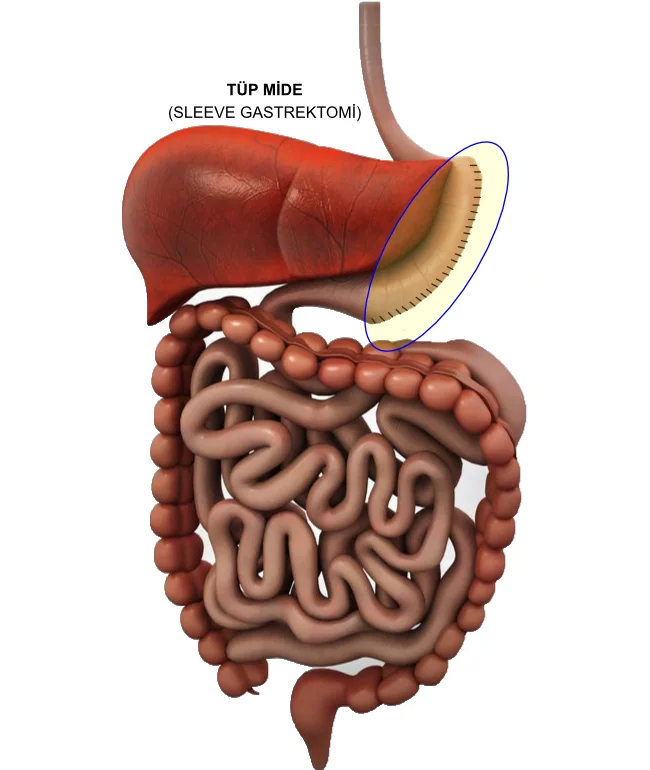
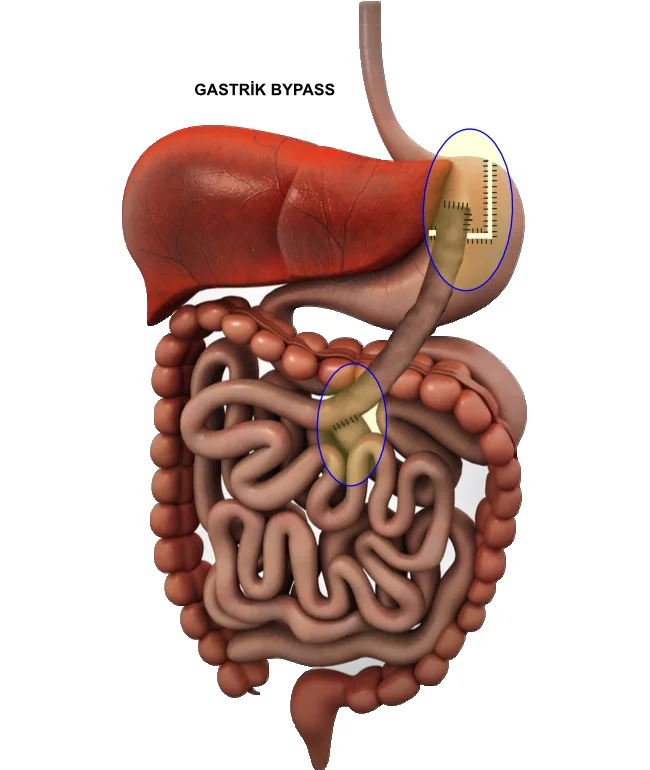
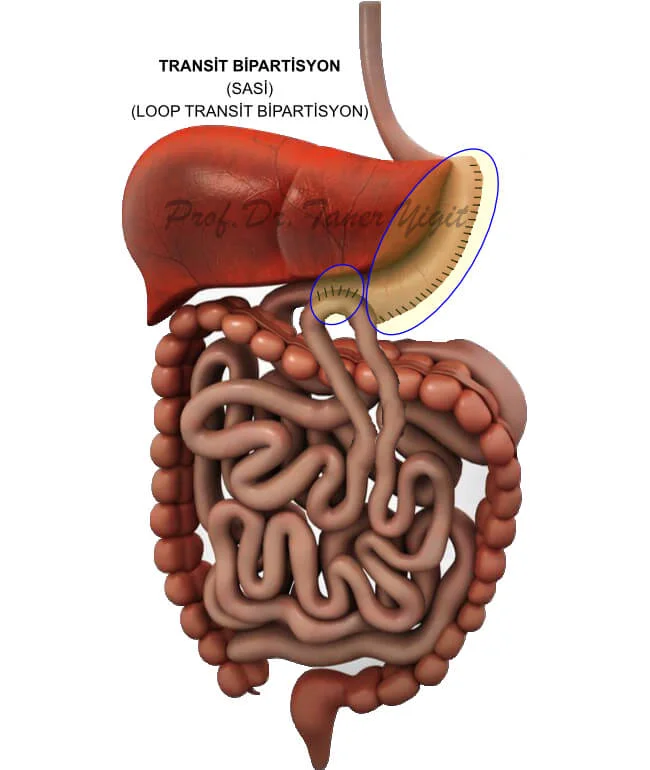
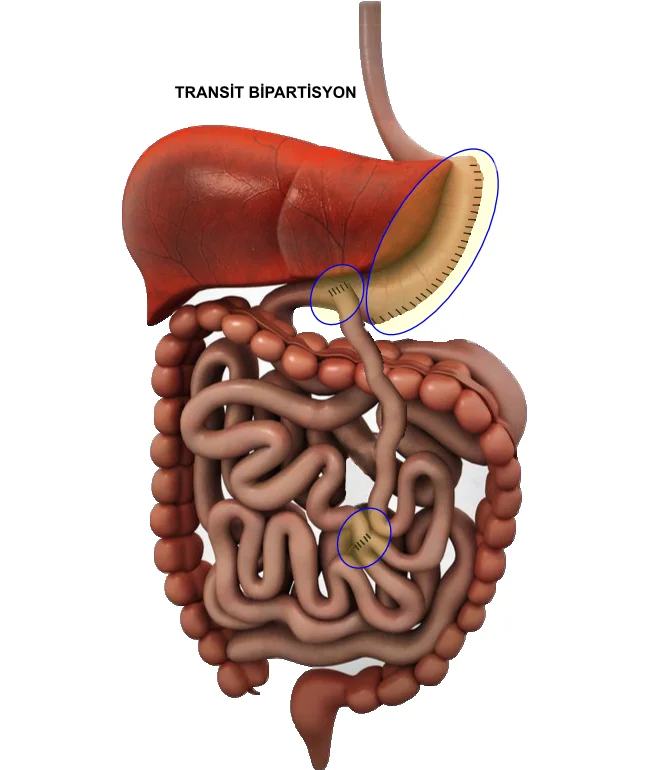
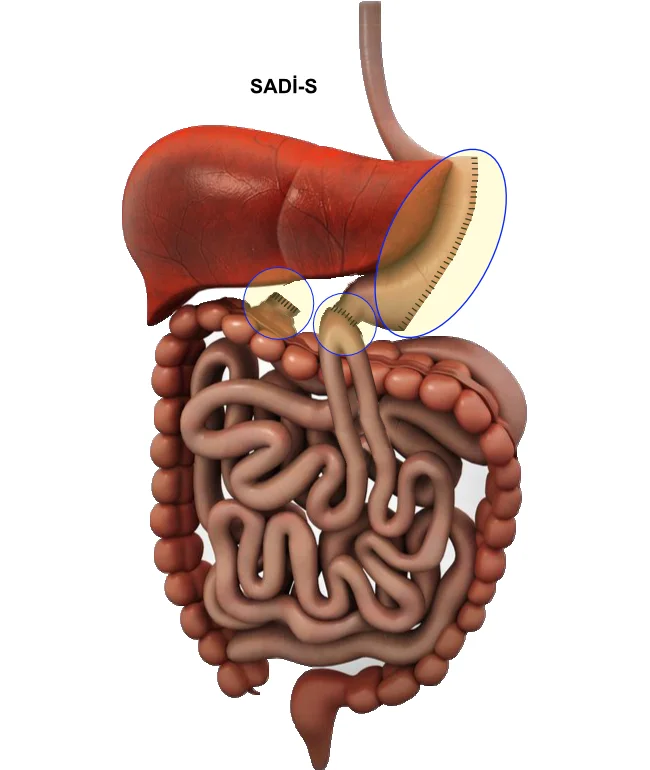
Metabolic surgery is the general name given to types of operations that aim for the surgical treatment of metabolic diseases (Type-2 Diabetes, hypertension, high blood fat levels, etc.) that arise with weight gain.
As we have stated before, since the resulting metabolic diseases are largely related to weight gain and obesity, metabolic surgery operations show parallelism with obesity operations (Bariatric Surgery).
We can summarize it as follows: metabolic surgery operations are essentially weight loss surgeries, and the term “Metabolic Surgery” is used for these operations due to their effect of treating metabolic diseases.
Currently, there is no surgical method that treats only metabolic diseases without causing weight loss. The doctor will decide which surgical method is suitable for you based on the consultations, examinations, and laboratory tests performed before the operation.
What is Insulin Resistance?
Weight gain and the accompanying insulin resistance play a significant role in the development of Type-2 diabetes. In people of normal weight, the insulin hormone binds to certain chemical substances at the cellular level, causing blood sugar to enter the cell, and in this way, our blood sugar remains at a normal level.
As a result of weight gain, increased fat tissue in the body secretes certain chemical substances, and these chemical substances cover the areas where the insulin hormone binds to the cell and exerts its blood sugar-lowering effect.
In this situation, the insulin hormone present in your body begins to show less effect at the cellular level, and blood sugar increases. The clinical picture formed in this way is called “Insulin Resistance.” Insulin resistance in overweight individuals prevents the effect of the insulin hormone present in the patient’s body, leading to an increase in blood sugar, which in turn causes Type-2 diabetes.
Who is eligible for surgery?
As with obesity surgery, your Body Mass Index (BMI) is a frequently used value in evaluating your suitability for metabolic surgery operations. Your BMI value is obtained by dividing your weight in kilograms by your height in meters, and then dividing the resulting value again by your height in meters:
Basically, metabolic surgery operations are applied to the following patient groups:
Individuals with a BMI of 40 and above.
Individuals with a BMI between 35 and 40 who have a disease developed due to excess weight (Hypertension, heart disease, Type-2 diabetes, sleep apnea, joint disease, etc.).
Individuals with a BMI between 30 and 35 may be candidates for metabolic surgery operations if they have Type-2 diabetes that cannot be controlled despite appropriate medical treatment (Medication, diet, and exercise).
BMI Calculation
Who benefits from metabolic surgery operations?
Especially for Type-2 Diabetes, to benefit from metabolic surgery planned for the disease and to achieve control over the disease with surgery, you must meet a number of criteria. These criteria are:
Having a sufficient insulin hormone reserve in your pancreas (Beta cell reserve).
Having good viability of your insulin hormone (C-peptide levels).
Having insulin resistance in your body (directly related to weight gain).
We evaluate whether you meet these criteria with blood test data performed on you. The following parameters are examined in these tests:
In fasting blood:
Blood sugar
Insulin
C-peptide
HOMA-IR (Insulin resistance)
HOMA-Beta (Beta cell reserve)
HOMA-S (Insulin sensitivity)
In postprandial (after meal) blood:
Blood sugar
Insulin
C-peptide
Based on these data, we can comment on the extent to which a planned surgery will benefit a patient, especially one with a BMI between 30 and 35. A patient whose insulin reserves have fallen below the critical threshold, who has insufficient C-peptide levels, and who does not have insulin resistance has a low chance of being surgically cured of Type-2 diabetes or controlling the disease in the post-operative period. Conversely, in the opposite situation, the chance of treating or controlling Type-2 diabetes with surgery is high.
What preparations are required before surgery?
A safe surgery is inextricably linked to a good and complete patient evaluation before the operation. The first step to be planned for this purpose is a detailed patient-doctor consultation. After this consultation, your doctor will have:
Obtained your physical data (height, weight, BMI, etc.),
Learned your expectations from the surgery,
Learned the physical and psychological damage caused by your obesity and metabolic disease,
Understood your weight-related co-morbidities,
Gained knowledge about the severity of your metabolic diseases,
Decided whether you can comply with certain rules and lifestyle changes that will be requested after the surgery,
Made a comment about your general health status and made a preliminary decision on whether you will be suitable for this operation.
The next stage is to conduct a detailed pre-operative evaluation at the hospital. At this stage:
Detailed blood tests,
Abdominal ultrasonography,
Gastric endoscopy,
Chest X-ray,
Pulmonary function tests,
Doppler ultrasonography of your vessels (if suspicion exists),
ECG, Echocardiography tests,
Cardiologist examination,
Internal medicine specialist examination,
Anesthesiologist evaluation is performed to assess whether you are suitable for a safe operation.
Our team will contact you shortly regarding your appointment details.
How is it done?
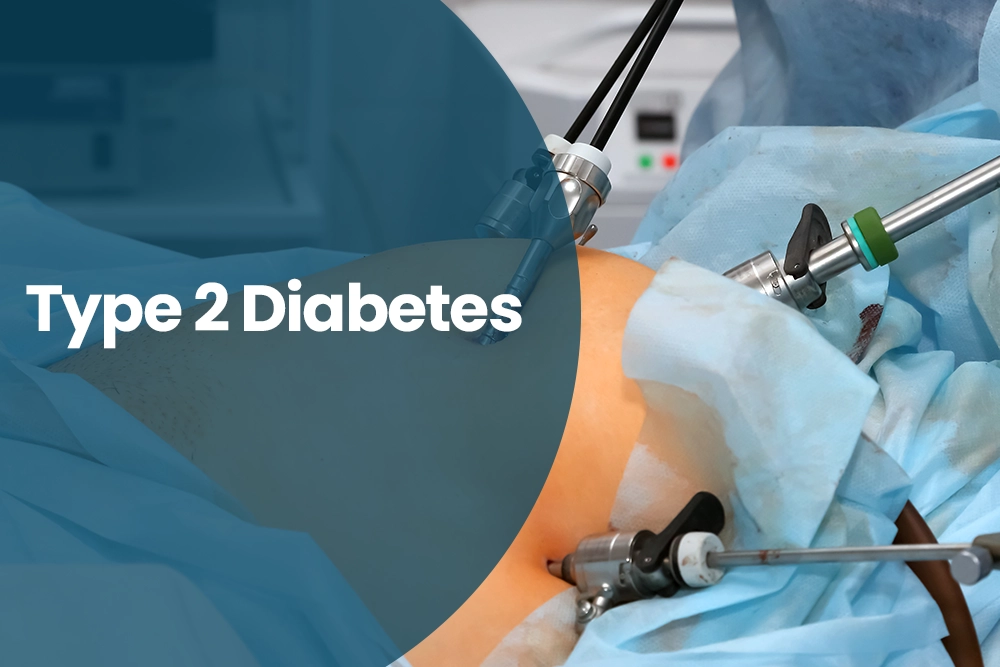
Thanks to modern surgical methods, these operations are now routinely performed with laparoscopic surgery. In laparoscopic surgery, your abdomen is not opened to reach the operation site. Your abdomen is inflated with $\text{CO}_2$ gas, and 4-6 tubes called trocars of various diameters (5mm, 10mm, 12mm, and 15mm, varying according to the type of surgery and the surgeon’s preference) are placed into your abdominal wall. Surgical instruments are passed through these to reach the organs where the operation will be performed, and your surgery is carried out.
Although laparoscopy is the most frequently used method as a routine procedure today, robotic surgery is also an alternative surgical method.
Rarely, these operations may be performed with open surgery. Open surgery is generally a method that can be applied after any problems that may arise during laparoscopy or robotic surgery. It should be kept in mind that every closed method (Laparoscopic or Robotic) has a certain potential to be converted to open surgery.
What preparations are required before hospital admission?
Since your surgery is a surgical procedure to be performed on the digestive system:
Generally, it is useful to start consuming liquid food 1-2 days before the surgery, so that your intestines are empty during the operation and your need to use the toilet is delayed and easier afterward.
If you are using blood-thinning medications, you must warn your doctor about this and give your doctor time to stop these medications and start alternative ones instead.
It is safe to continue using the routine medications you must take, except for blood thinners, until the night before the surgery. Blood pressure medication and heart medication can be taken on the morning of the surgery with a small amount of water, at least 2 hours before the operation, with your doctor’s knowledge.
Your doctor will decide whether you should take your diabetes medications the night before the surgery, depending on the preparation planned for you. Generally, we restrict the use of these medications to prevent a sudden drop in your blood sugar, as you will eat little the night before the surgery and fast the next morning.
You should generally stop all solid or liquid food intake around 10-11 PM the night before the surgery, and you should be ready with at least 6 hours of fasting on the morning of the surgery.
Take a bath at home before being admitted to the hospital for the surgery. Remember that you will not have the opportunity to bathe for at least 2 or 3 days.
Do not wear nylon underwear when coming to the hospital. Nylon underwear can interact with some electrical devices used during surgery and cause skin burns.
It is useful to bring slippers, personal hygiene supplies (toothbrush, toothpaste, shaving kit, etc.), and sufficient underwear when coming to the hospital.
How long will I stay in the hospital?
Although your hospital stay is affected by many factors such as whether you were admitted the night before the surgery or on the morning of the surgery, how long your surgeon makes it a principle to keep the patient in the hospital after the surgery, and whether a surgical problem has developed after the surgery, it is generally about 3-4 nights.
What will happen during my stay in the hospital?
If you were admitted to the hospital the night before the surgery, you should use a protective blood thinner in the hospital. If you are admitted on the morning of the surgery, you should use it at home. This treatment will be planned and administered by your doctor. Be sure to use the toilet before going down to the operating room on the morning of the surgery. The time between being taken from your bed for the surgery and returning to your bed will generally be a time frame of about 3-4 hours, although this varies depending on the surgery to be performed.
This entire period is not the time spent on the surgery; the pre-operative preparation period in the operating room, your surgery, and your awakening procedure after the surgery are included in this process. You will mostly be taken back to your bed on the floor after the surgery, and generally, intensive care is not needed after the surgery. The process in the days following the surgery is as follows:
Day of Surgery: Approximately 4-5 hours after returning to your bed, you are encouraged to get up for your first walk and take a small walk inside the room. All your treatments on the day of surgery are administered intravenously, and food intake is not permitted.
1st Day After Surgery: Today is the day you start drinking water sip by sip. We allow you to drink about half a glass of water per hour during the day. We encourage you to increase the amount of walking during the day and have a more active day.
2nd Day After Surgery: Today, if there is no significant fluid coming from the drain, we remove the drain in your abdomen and start you on foods such as soup, compote, and fruit juice. The 2nd day is the main day when the transition to oral feeding begins. Following the removal of your drain, we also allow you to take a bath. Again, it will be beneficial for you to take plenty of walks.
3rd Day After Surgery: The 3rd day is the day your discharge planning is made after we see that everything is going well. If you have no problems with food intake and we believe there are no surgery-related complications, we discharge you on the 3rd day following the surgery.
When can I start my normal life?
Your return to normal life is highly dependent on the job you do. If you work a desk job, you will be able to perform your job for short periods on the 3rd or 4th day after being discharged from the hospital. However, the standard rest period for this job group is about 7-10 days. If you work a job that requires physical labor, you can rest for a period of 15-20 days and then return to work.
What will my control and follow-up process be like?
You will have routine check-ups in the first month after being discharged from the hospital, and then at 3-month intervals. After one year has passed since the operation, your check-ups will be done at 6-month intervals, and after the end of the second year, you will have a control plan once a year.
Our team will contact you shortly regarding your appointment details.